
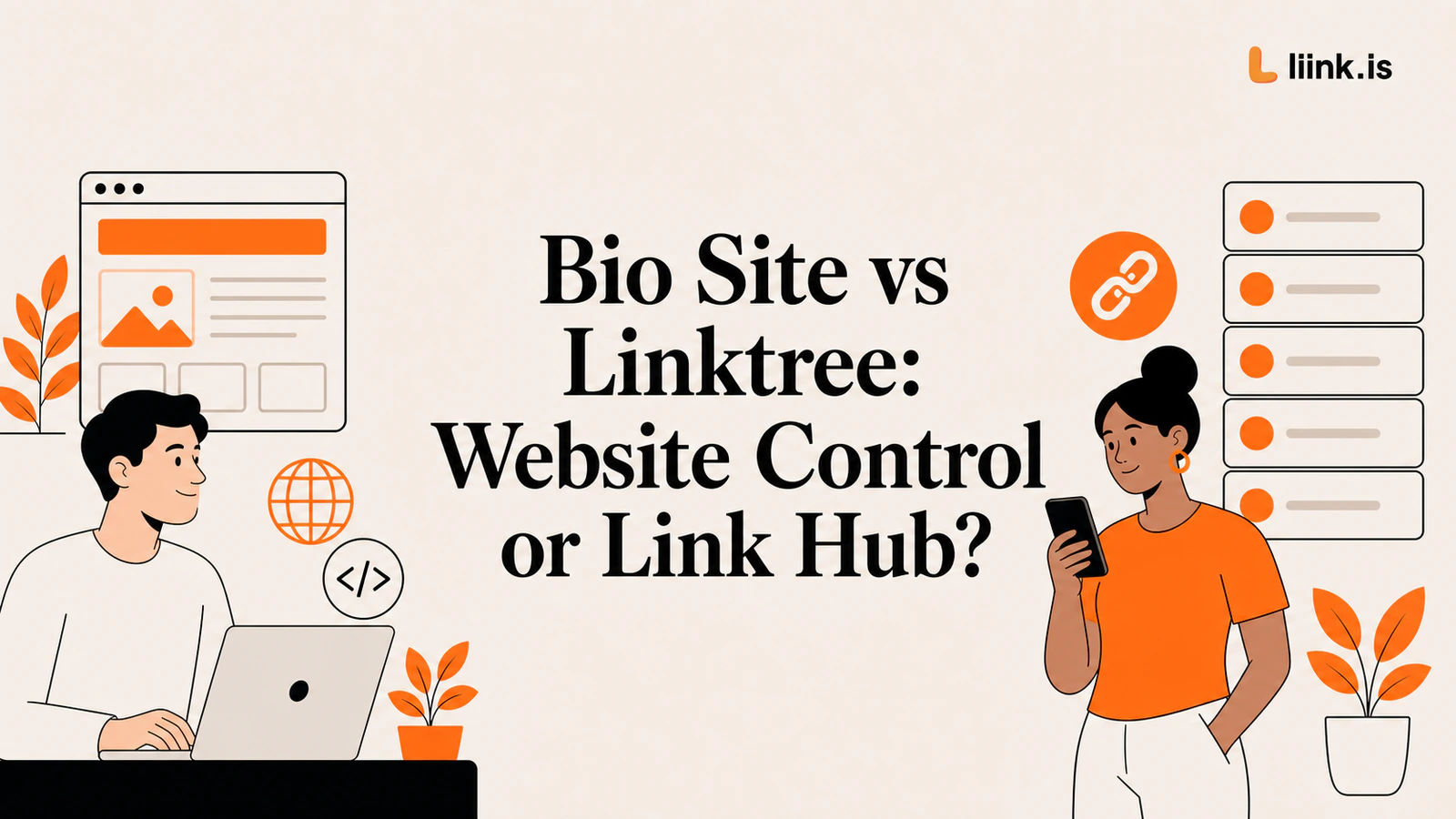
Bio Site vs Linktree: Website Control or Link Hub?

If you mean Bio Sites, Squarespace's free link-in-bio tool at bio.site, the short answer is: Bio Sites is free with unlimited links and takes an 8% fee on digital downloads, tips and crowdfunding, while Linktree has a free plan, paid monthly tiers and a wider set of audience and selling tools. If you mean a bio site in general, a small website you control, choose it when you need your own structure, several search-ready pages and room to grow; choose Linktree when the job is a fast, familiar hub that routes social visitors to a few destinations.
Publisher disclosure: Liink publishes this comparison and offers another visual-profile option. Liink is not independent and is not affiliated with Linktree. The Linktree and Bio Sites pages cited below were checked October 9 and 10, 2026, and the Google documentation on September 1, 2026. Product plans, search behavior, analytics definitions, and regional availability can change, so verify the official pages before moving a public URL or a revenue-producing flow.
What is a bio site?
A bio site is a compact website used as the public destination behind a social-profile link. It may be a single page or a small set of pages, but it behaves like a website: the owner decides the navigation, headings, content depth, domain, internal links, calls to action, analytics, and publishing system. The term describes a format rather than a guaranteed feature set. Some builders offer only a hosted path, while others support domains, forms, blogs, stores, code, or structured data.
What is Linktree?
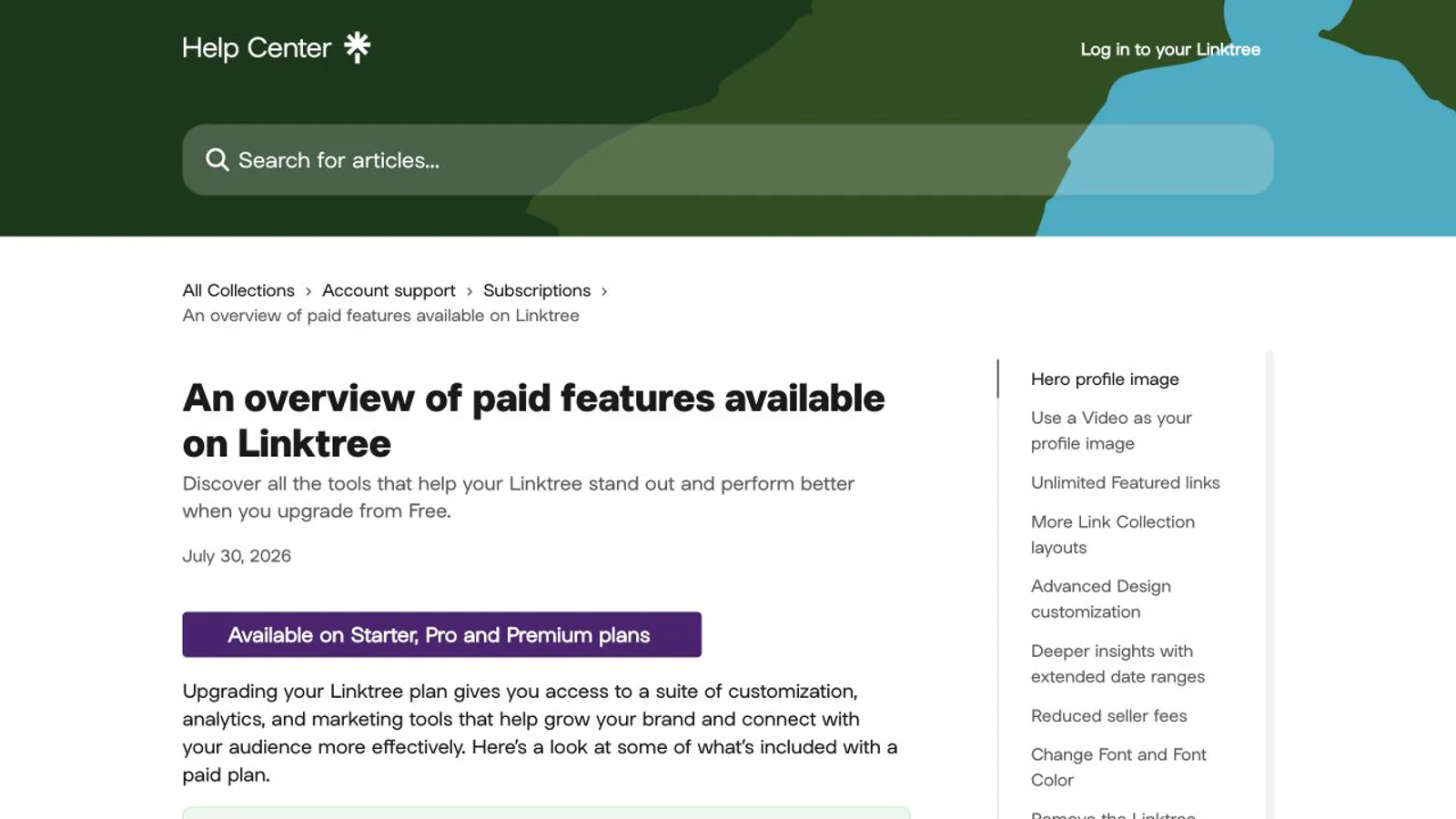
Linktree is a hosted link-in-bio product designed to publish one recognizable profile quickly. Its official paid-features overview documents plan-dependent customization, analytics history, marketing integrations, and seller-fee changes. That makes Linktree more than a plain list of URLs, but it remains a product-shaped profile hub rather than an open-ended website architecture. The relevant question is not which has more features; it is whether you need a managed hub or a website you can structure around your own information.
Official source: Linktree paid-features overview — checked October 10, 2026.
Bio Sites (bio.site) vs Linktree
If you searched for Bio Sites, you probably mean the link-in-bio tool at bio.site, which redirects to biosites.com. Bio Sites is part of Squarespace and says it is 100% free to create and launch, with as many links as you want. Its help center says Bio Sites Pro is no longer available and that its features are now free for all Bio Sites customers.
Payment processor fees from Stripe or PayPal apply on both; Bio Sites' start page puts processing at a standard 3%. Bio Sites' own pages disagree on appointments: its help center lists no transaction fee on 1:1 appointments, while its start page says Squarespace takes an 8% commission on digital products and 1:1 appointments. Check the fee shown when you set up a paid product. If you already use Squarespace, Bio Sites can share your login and the Unfold app can autofill a Bio Site from your Squarespace site.
Official source: Bio Sites homepage and FAQ (free, unlimited links, part of Squarespace) — checked October 10, 2026.
Official source: Getting started with Bio Sites (Bio Sites Pro discontinued, editor panels) — checked October 10, 2026.
Official source: Connecting payment processors to your Bio Site (Stripe, PayPal and transaction fees) — checked October 10, 2026.
Official source: Bio Sites start page (8% commission on digital products and 1:1 appointments, 3% processing) — checked October 10, 2026.
Bio site vs Linktree at a glance
Search visibility is about useful pages, not the label bio site
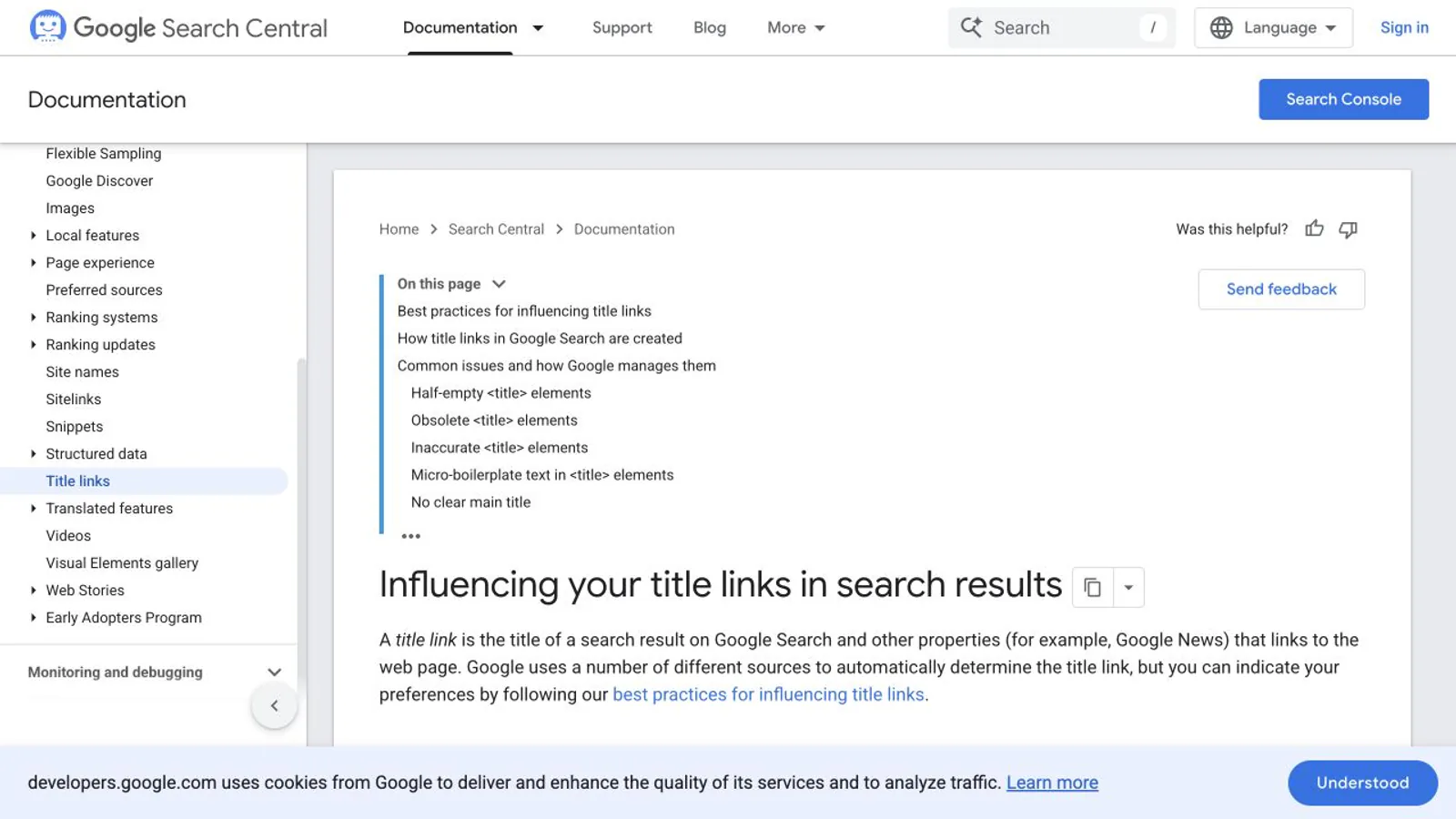
Owning a domain does not automatically create search traffic. Google says title links can draw from the title element, the main visible title, headings, prominent text, anchor text, and WebSite structured data. A website helps only when each indexable page answers a distinct need with a clear title, visible main heading, crawlable links, original content, and a stable canonical URL. A thin bio page with ten unexplained buttons is not an SEO strategy, regardless of the builder.
Primary source: Google Search Central title-link guidance — checked September 1, 2026.
Google also explains that snippets are primarily created from page content and may use the meta description when it describes the page better. This favors concise, factual sections that name the audience, the service, the location or category where relevant, and the next action. It does not justify repeating keyword variants or publishing near-duplicate pages.
Primary source: Google Search Central snippet documentation — checked September 1, 2026.
Analytics and conversion ownership
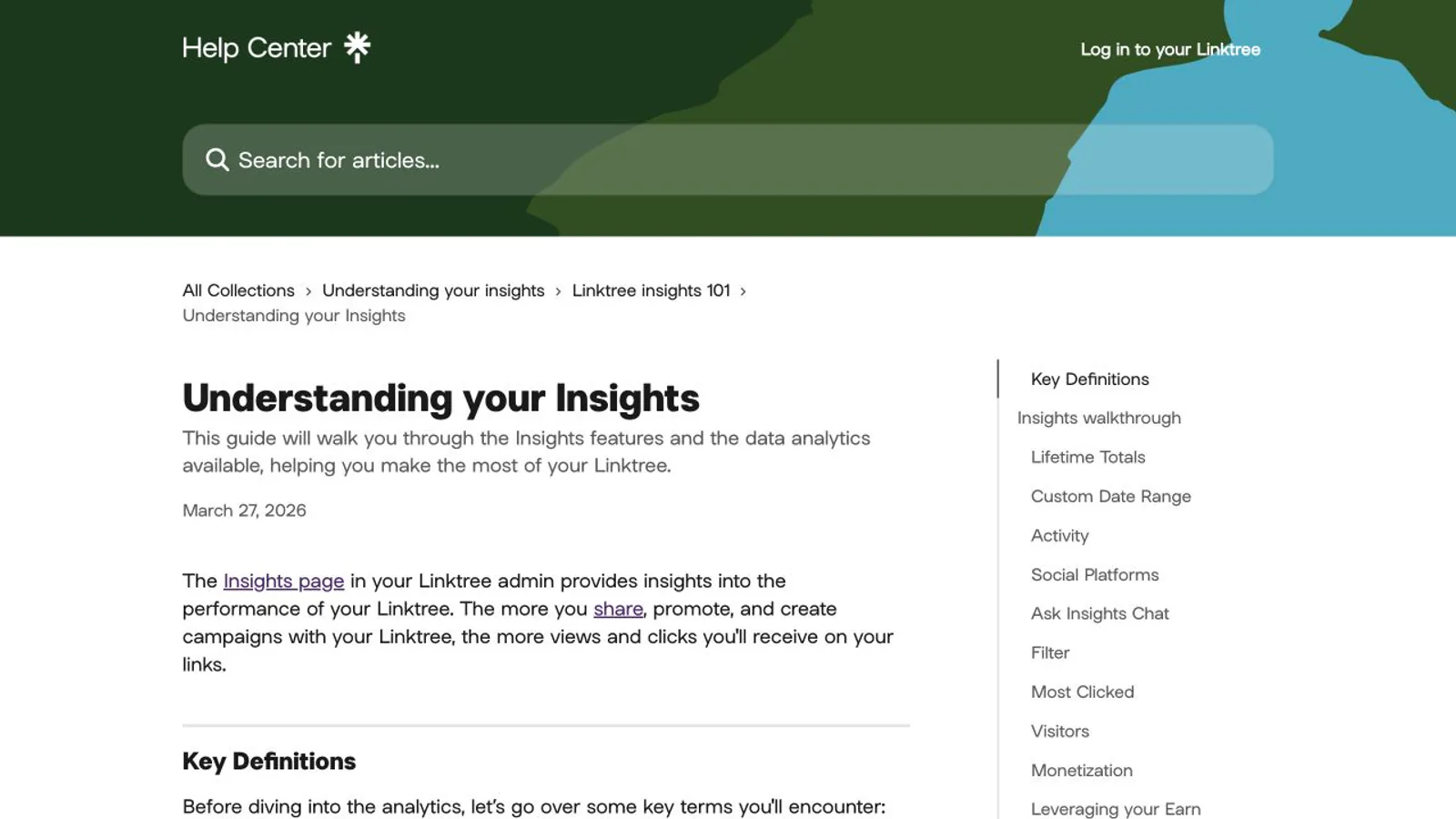
Linktree documents views, unique views, clicks, unique clicks, referrers, locations, devices, and monetization reporting in Insights, with some audience and export capabilities limited to paid plans. A general website can use another analytics provider, first-party events, CRM attribution, or no tracking at all. The flexible option requires more governance: define consent, retention, event names, URL parameters, and who can access the data. The managed option still requires you to understand what each metric means.
Official source: Understanding your Linktree Insights — published March 27, 2026 and checked October 9, 2026.
Best for—and not best for
A practical decision test
Frequently asked questions
Is a bio site better than Linktree for SEO?
A bio site can support a broader search program because it can contain distinct pages and internal links, but only if the builder exposes crawlable, indexable, useful content. Linktree can also be indexed. Neither format earns rankings merely from the domain or template; content quality, relevance, links, technical access, and competition determine visibility.
Should I replace Linktree with a full website?
Replace it only when the added pages, ownership, or workflows solve a real constraint. A service business may benefit from separate service, evidence, and contact pages. A creator with five frequently changing destinations may gain little from operating a larger site. Keep the old URL recoverable until every public profile and campaign has been tested.
Can Liink replace either option?
Liink is a focused visual-profile builder that can organize content and destination cards. It is not a full website CMS, native store, course platform, email system, or automatic Linktree importer. It fits between a plain button list and a multi-page website when the presentation layer is the main need.
Is Bio Sites free?
Yes. Bio Sites says it is 100% free to create and launch, with unlimited links, and its help center says the former Bio Sites Pro features are now free for everyone. It charges an 8% transaction fee on digital downloads, tips and crowdfunding.
Who makes Bio Sites?
Bio Sites is part of Squarespace. Its support pages live in the Unfold help center, and you sign in with a Squarespace account.
Compare the wider category
For product-level alternatives and their different operating models, use the best link-in-bio tools comparison rather than treating every bio site as interchangeable.
If search visibility is part of the reason for choosing a website-shaped profile, use the link-in-bio SEO guide to separate crawlability from content and authority work.
If you want a focused visual profile without rebuilding a full website, create a Liink test page and compare the same destinations on mobile. Liink does not guarantee search traffic, leads, or sales.
If the bio site is for job search, use the resume website guide to plan recruiter scan order, proof, accessibility, and privacy.