
Link in Bio for Real Estate Agents: A Compliant Lead Path


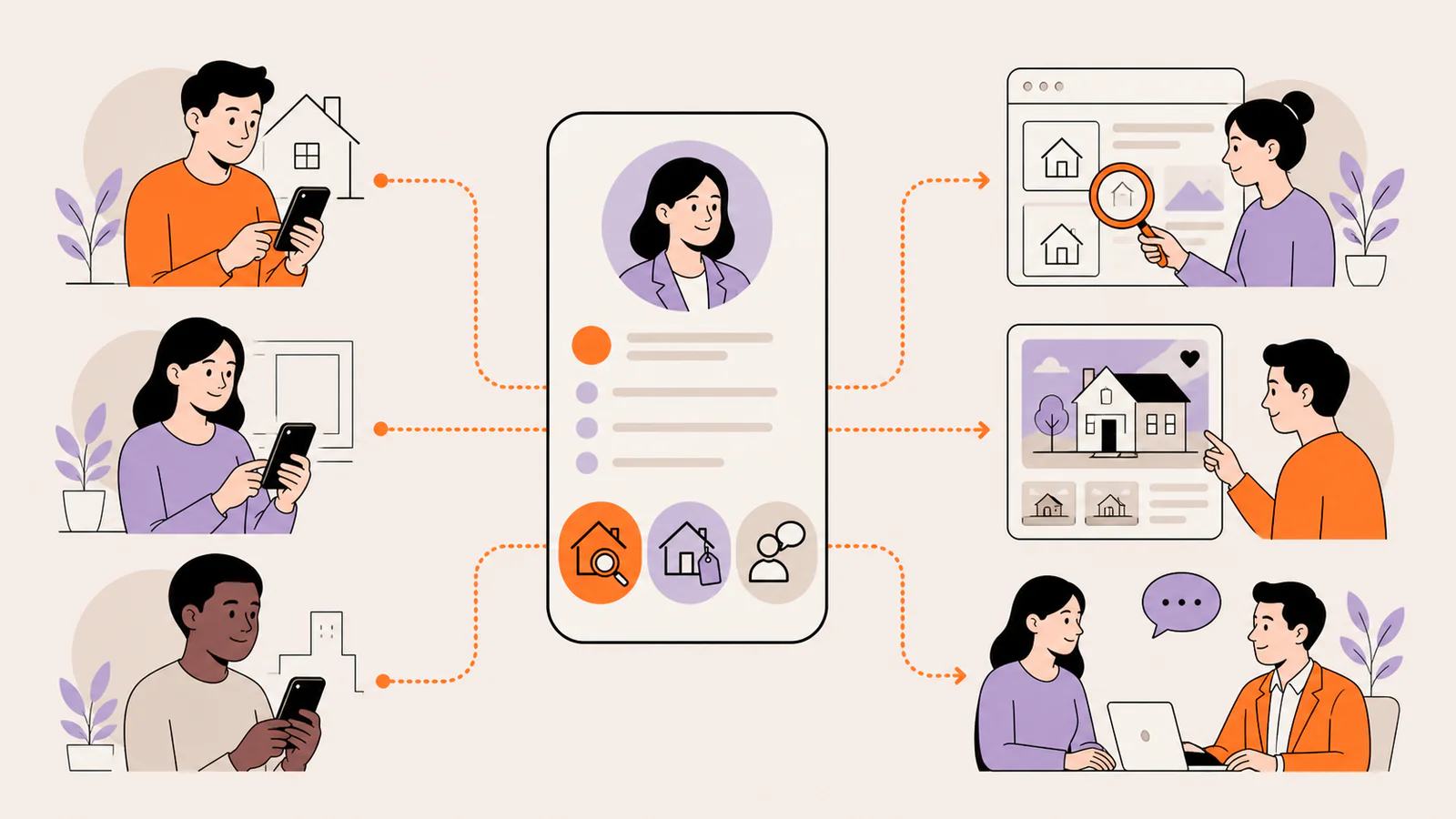
A real-estate link in bio should identify the agent and brokerage clearly, then route visitors by job: browse authorized listings, request a buyer consultation, request a seller valuation conversation, learn about services, verify credentials, or contact the team. It should not copy listings without authority, hide required brokerage disclosures, promise outcomes, or collect sensitive financial information in a generic form. The page is a lead-routing layer, not the transaction system or legal record.
Disclosure: Liink publishes this guide and offers a visual-profile product. Liink is not affiliated with the National Association of REALTORS® and does not provide MLS, brokerage, legal, fair-housing, licensing, transaction, valuation, or lead-consent services. Sources were checked September 1, 2026. Rules differ by jurisdiction, association, MLS, brokerage, property type, and advertising channel; obtain the required review before publishing.
What belongs on a real-estate bio page?
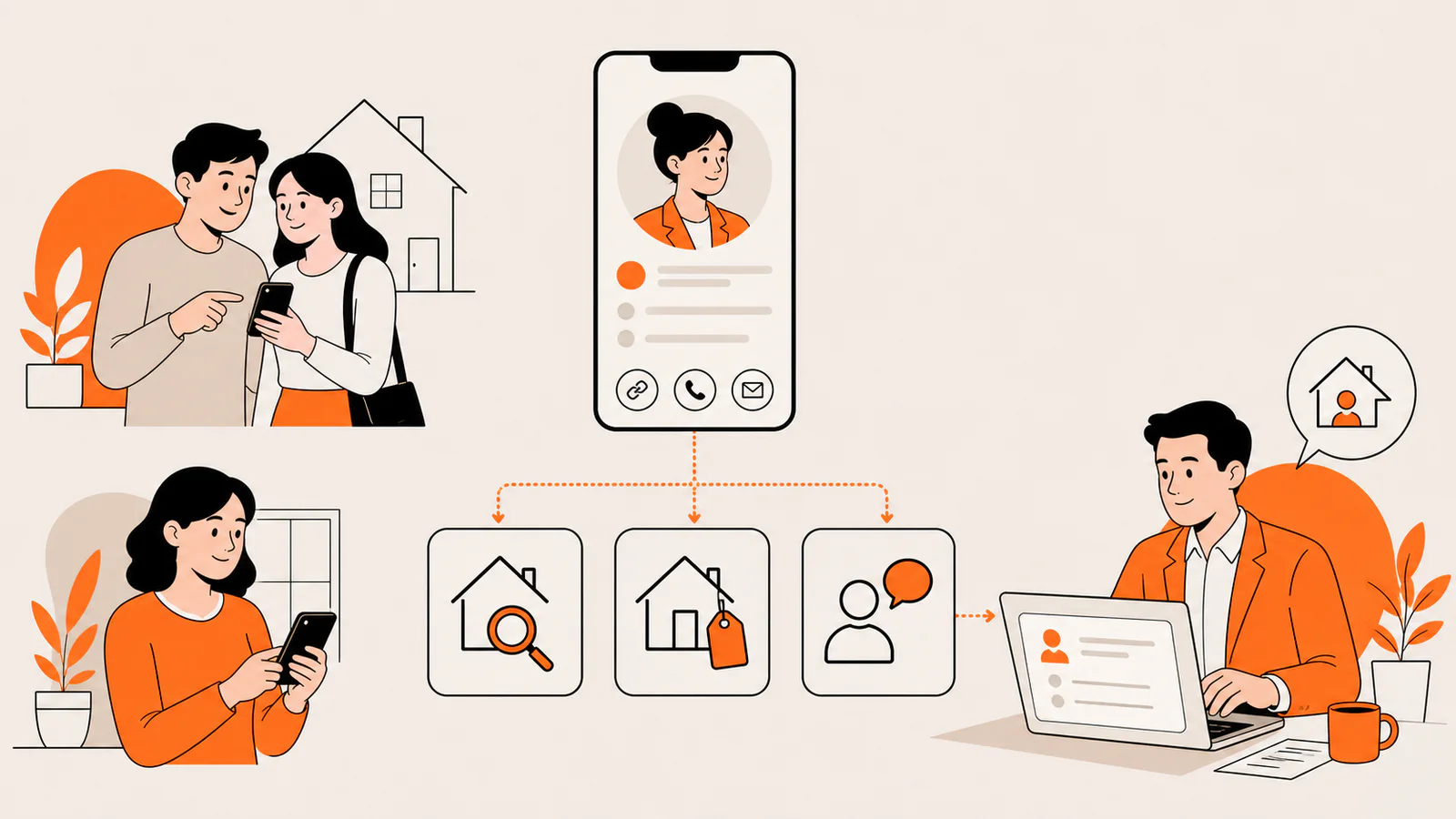
The page should reduce ambiguity at the first click. Display the professional name used in advertising, brokerage or firm identity where required, service area stated accurately, appropriate license information, a current photograph or brand mark, and a monitored contact path. Then separate buyer, seller, renter, investor, relocation, and property-management journeys only when the agent actually supports them. Avoid neighborhood or lifestyle language that implies a preference for particular protected groups.
Recommended lead-routing table
Advertising identity and a true picture
The 2026 NAR Code of Ethics states that REALTORS® should not advertise real-estate services or listed property without disclosing the firm name in a reasonable and readily apparent manner, including electronic advertising through a link to a display with required disclosures. Its standards also address truthful internet content, images, URLs, keywords, attribution, and disclosure when consumer information may be shared or sold. Brokerage policy and law may impose additional or different requirements.
Primary source: 2026 NAR Code of Ethics and Standards of Practice — checked September 1, 2026.
Do not treat a link in bio as exempt because it is short or appears on a personal-looking social account. If the page markets services or property, route it through the same approval, recordkeeping, identity, and correction process used for other electronic advertising. Keep disclosure text readable rather than hiding it in an image, tiny footer, hover state, or unreachable destination.
Only publish listings you are authorized to market
NAR's guidance on competitors' listings explains that copying and publishing another broker's listing information on social media is advertising and requires authority from the listing firm. A safe bio page links to an approved IDX, brokerage, MLS-authorized, or listing page rather than copying photos, remarks, status, or price into an unmanaged card. Record the source and remove or update property links when status changes.
Primary source: NAR guidance on competitors' listings on social media — checked September 1, 2026.
Fair housing applies to digital marketing
NAR's fair-housing materials warn against discriminatory targeting and recommend marketing to a broad demographic while following federal, state, and local law. The same principle affects page copy and images: describe objective property or service facts and avoid language about the type of person who should live in an area. Review audience filters, lead scoring, automated follow-up, testimonials, maps, school claims, neighborhood descriptions, and AI-generated copy—not only the final buttons.
Primary source: NAR fair-housing advertising best-practices slides — checked September 1, 2026.
Lead forms, consent, and sensitive information
Collect the minimum information needed to respond. A first-contact form rarely needs a Social Security number, bank statement, identification document, precise financial history, protected-class information, or free text about personal circumstances. Explain who operates the form, what happens next, whether information goes to a brokerage, lender, referral partner, or vendor, and how the visitor can choose another contact method. Do not place sensitive answers in URL query strings or analytics metadata.
Measure qualified conversations, not button activity
Use distinct campaign parameters for social profile, post, property, event, and partner placements, but do not put client names or sensitive lead attributes in them. Define a qualified event such as a completed consultation request in the correct service area, a verified call, or an attended appointment. Page views and listing clicks help diagnose routing; they do not prove representation, closings, revenue, or fair access.
Publishing checklist
Frequently asked questions
Should agents put every listing in their bio link?
Usually no. A current authorized search or brokerage page scales better than a long manual list. Feature only listings the agent is authorized to advertise, keep status current, and preserve the required identity and attribution. An expired or unauthorized property card can create both customer confusion and compliance risk.
Can a link in bio replace an agent website?
It can replace a routing page, but not necessarily substantive service information, approved listing search, brokerage disclosures, local evidence, accessibility, privacy, or durable search content. Use the smallest system that meets the customer and compliance requirements; do not remove a working website only to reduce the number of tools.
Does Liink provide real-estate compliance or MLS data?
No. Liink can arrange approved text, media, and destination cards. It does not provide MLS or IDX data, brokerage approval, licensing verification, fair-housing compliance, appraisal, transaction management, consent management, or legal review. Those functions must remain with qualified people and systems.
Related visual-profile guidance
For image-led biography and portfolio structure that can be adapted with required real-estate review, see the photographer bio examples guide.
To test a visual routing page with approved brokerage destinations, create a Liink prototype. Liink does not guarantee leads, listings, compliance, ranking, or transactions.